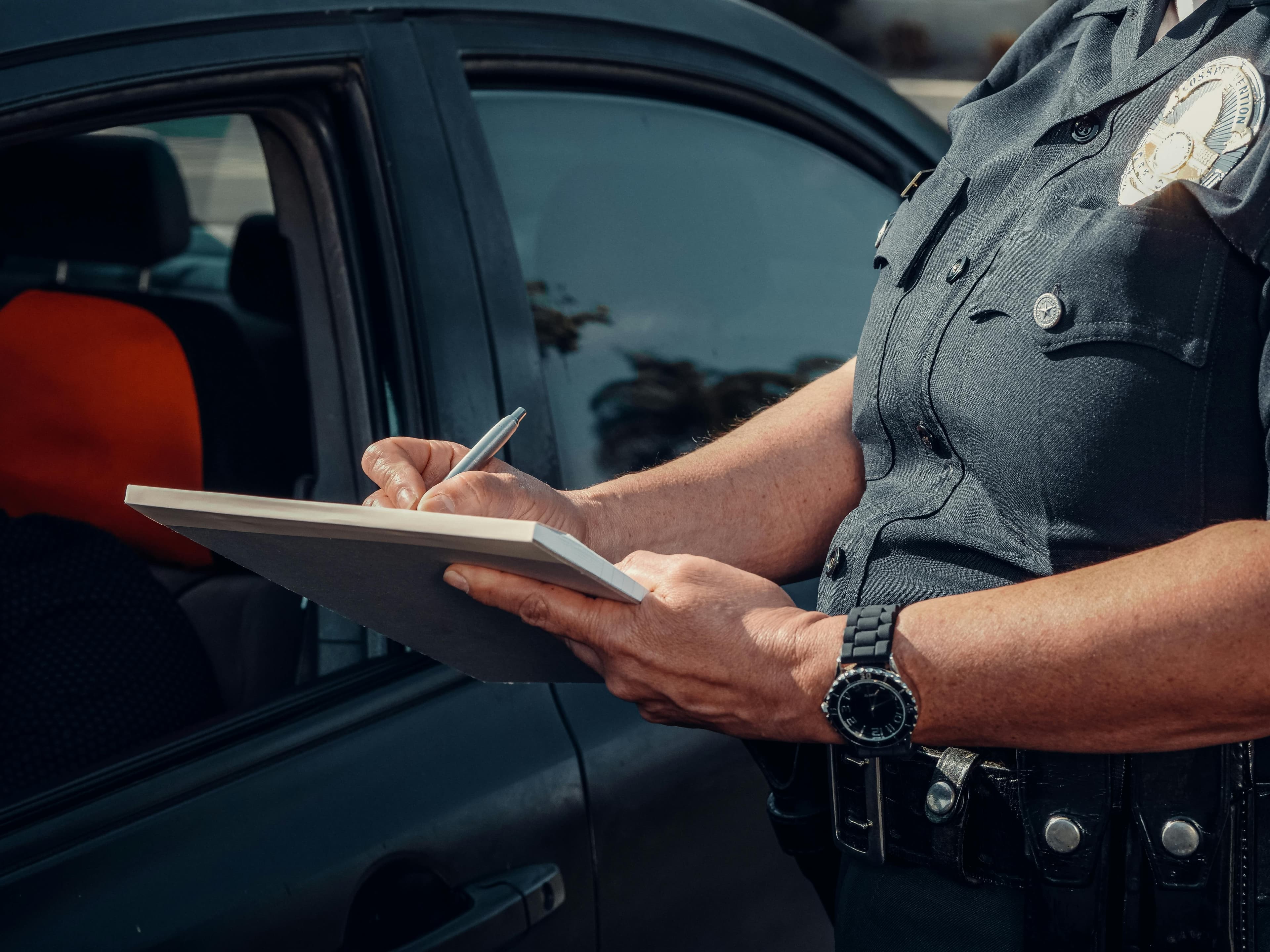
Managing a law enforcement fleet isn't just about keeping track of vehicles—it’s about overseeing a complex web of moving parts, from patrol cars to radios, weapon mounts, and surveillance gear. For fleet managers, the scope of responsibility goes far beyond oil changes and tire rotations.
In this post, we’ll explore the real-world challenges fleet managers face and how departments can overcome them with smarter tools and systems.
The Role of a Fleet Manager Isn’t Just About Cars
When people think “fleet manager,” they often picture someone handling vehicle maintenance or ordering new units. But in law enforcement, the reality is much more complex.
Fleet assets may include:
- Patrol vehicles
- Unmarked cars
- Boats, snowmobiles, or even helicopters
- Radios, sirens, lights, dashcams
- Gun racks and electronics mounted inside the vehicles
And it’s not just about the car—it’s about what’s in the car, who uses it, and how it’s maintained over time.
Common Challenges in Police Fleet Management
- Lack of Visibility Into Equipment Installations
When vehicles are outfitted—especially by third-party vendors—there’s often no verification of exactly what was installed, what serial numbers are assigned, or if equipment matches department records. - Minimal Oversight of Distributed Assets
Many departments rarely see their fleet back at the central garage unless there’s a major issue. This means fleet managers rely heavily on officers in the field for updates—a recipe for missing or outdated information. - No Standardized Inventory Records
Without a digital system, agencies may not know which light bar, radar gun, or in-car camera is in which unit. And years later, this creates gaps that make it nearly impossible to track equipment status or warranty timelines. - Poor Communication from the Field
If officers don’t report changes, problems, or removals of equipment, the entire system breaks down. Communication gaps are one of the biggest causes of misinformation in fleet records.
Trust… But Verify: Building “Ground Truth”
As one experienced fleet coordinator said:
“You can rely on trust—or you can verify. We call it ‘ground truth’—knowing the exact condition and location of your assets.”
- The only way to maintain this kind of accountability is to:
- Capture accurate, up-to-date information on every vehicle and component
- Create a repeatable process for equipment inspections, installations, and changes
- Give field staff easy tools to report changes and verify status in real time
The Solution: Standardized Templates + Smarter Systems
If you're starting from scratch—or trying to bring order to chaos—the best first step is to adopt a structured template that ensures every vehicle record includes:
- Vehicle type, VIN, and lifecycle plan
- Installed equipment and serial numbers
- Assignment history and usage logs
- Maintenance schedule and condition reports
Once that baseline is in place, digital platforms like NueGOV can help manage updates, notify users, and automate inspection reminders. Officers in the field can easily report changes through a mobile app, and supervisors get instant visibility into the full fleet.
Adapt as Equipment Changes
As equipment is upgraded, transferred, or replaced, the system can track:
- Swapped radios
- Upgraded dashcams
- Reassigned vehicles
- Retired gear or damaged items
It’s not about creating more paperwork—it’s about saving time while ensuring accountability and reducing risk.
Final Takeaway
Managing a law enforcement fleet isn’t just mechanical—it’s logistical, operational, and strategic. Without clear data, miscommunication and asset loss become inevitable.
But with the right system and processes in place, fleet managers can move from reactive chaos to proactive control.
Want to simplify and secure your department’s fleet operations? See how NueGOV helps agencies like yours.
Watch the full video on this topic.
For more information, contact ggrippin@nuegov.com.